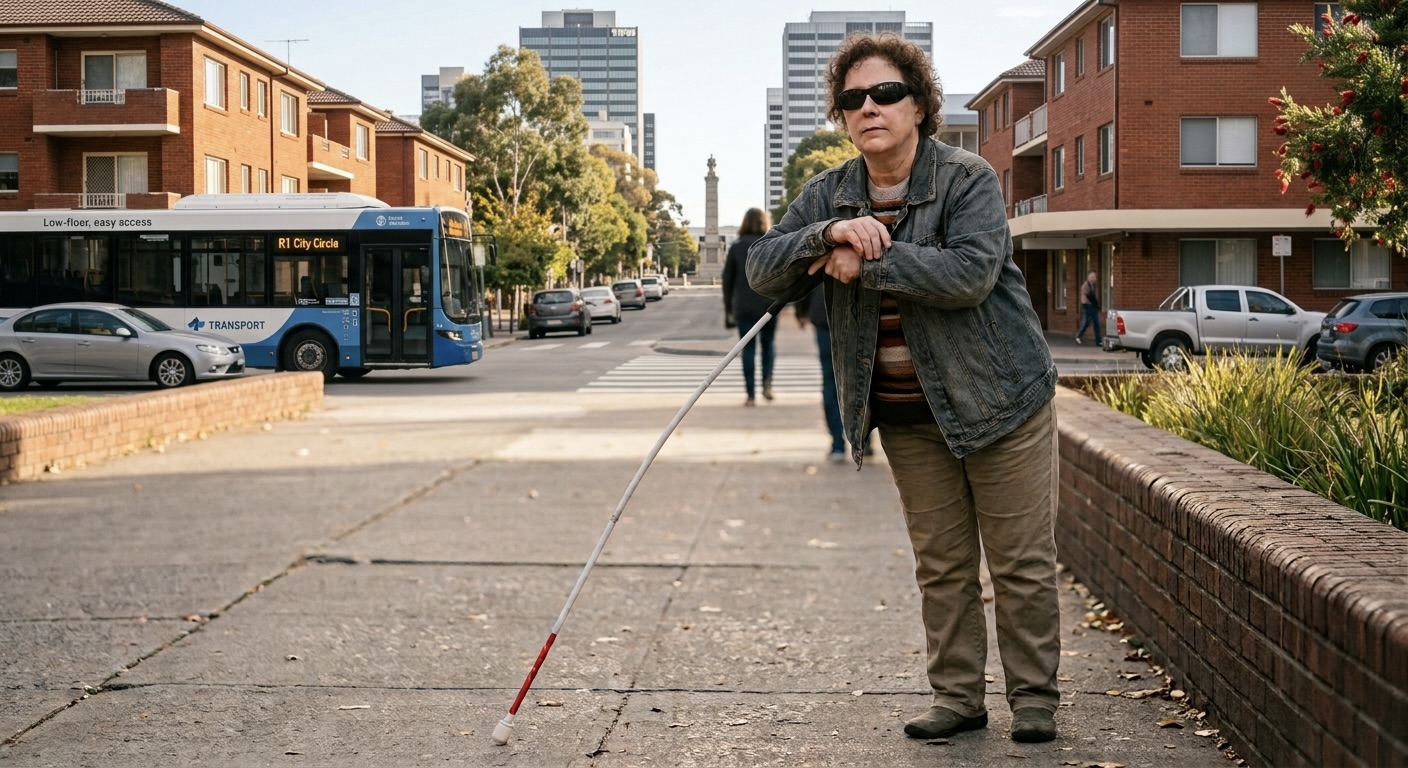
You can find them everywhere, Mobility canes which are no longer straight, but have a curve along the entire length of the cane. Suddenly they no longer fold as easily as they used to, if indeed they still fold at all. You don’t know how it happened, the cane hasn’t been caught in anything, no one has stepped on it as you walked past.
The answer is often because the cane has been used as a leaning post.
Many mobility cane users lean on their cane as they talk to friends, or use it as additional support to help pull themselves up stairs. The cane was not designed to bear weight in this way. It doesn’t happen all at once, but regular use of the cane as a prop can result in the dreaded banana cane syndrome.
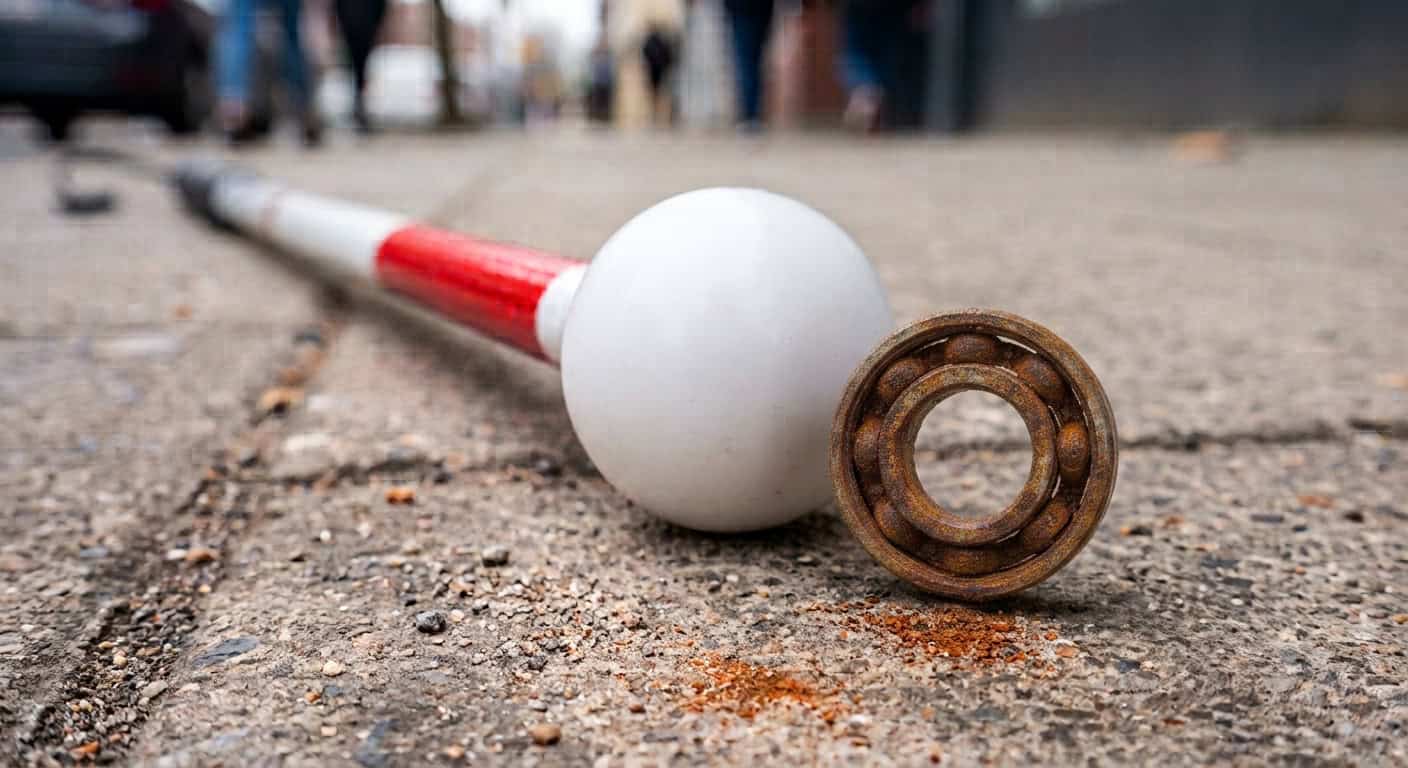
With then advent of rolling tips this practice became more dangerous, as these tips have a tendency to roll away if pressure is applied. Bad news if you are leaning on your cane at the time.
So, to all the cane leaners out there, repeat after me. ‘I will not lean on my cane. I will not lean on my cane. I will not lean on my cane’.
(Of course there are also cases of canes being used as hockey sticks and in sword fighting duels with other cane users. As you can imagine the results are often too horrendous to mention!)
Canes can also develop a bend if the user tends to put a lot of pressure on the tip as they walk….but that is a story for another time.
While canes with a slight bend can often be straightened a little, the joints are never as strong and the cane is never quite as straight as it was before being warped.